
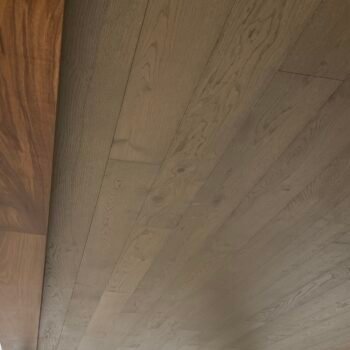
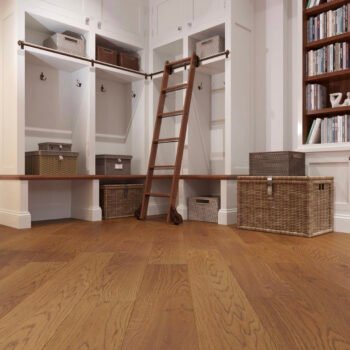
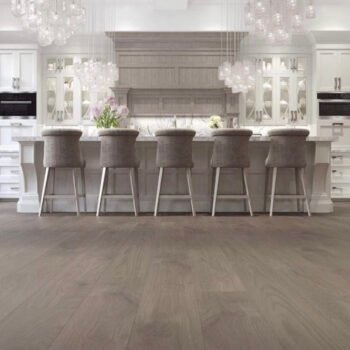
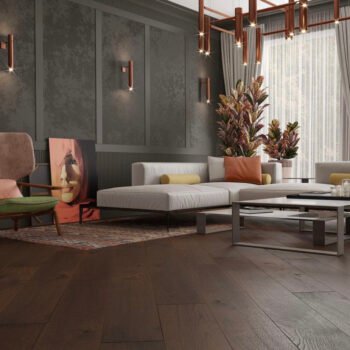
Installation of wood floors in your home leaves you do a lot of thinking! Solid hardwood floor or engineered hardwood floor? Engineered hardwood floor or waterproof engineered wood floor? As there are several broader classifications of wood floors, it’s easy for you to get confused!
Considering the challenges that you might face while deciding on hardwood flooring, we have come up with this blog.
Durability is the foremost important factor you need to ensure while choosing a hardwood floor type for your home. Whether for a residential or a commercial setting, waterproof engineered hardwood floors are the unbeatable choice!
They are durable, moisture and water-resistant, and cost-effective too. Also, you should be aware that untreated solid hardwoods are durable but are susceptible to warp, swelling, shrinkage, and wear. So, this makes sense why waterproof engineered hardwood floors are the finest choice for your home.
If you are still confused about whether waterproof engineered hardwood is ideal for flooring your new home or renovated space, read this blog till the end. You will know why it is the best thing to install on your floors!
[ez-toc]
What is Waterproof Engineered Wood Flooring?
Waterproof engineered wood flooring is a revolutionary flooring solution designed to combine the natural beauty of wood with exceptional durability and water resistance. We can attest to its remarkable qualities and versatility.
Unlike traditional hardwood flooring, waterproof engineered wood flooring consists of layers of real wood veneer on top of a high-density fiberboard (HDF) or plywood core. This unique construction provides the flooring with enhanced stability, making it less susceptible to warping or damage caused by moisture. To further enhance its water resistance, the surface is coated with a special sealant, which forms a protective barrier against spills, stains, and water infiltration.
One of the key advantages of waterproof engineered wood flooring is its ability to withstand moisture in areas where solid hardwood would be unsuitable, such as bathrooms, kitchens, and basements.
Its easy installation process, often featuring click-and-lock systems, makes it a popular choice among homeowners and professionals, alike. Moreover, it offers a wide range of styles, finishes, and wood species, allowing customers to achieve the desired aesthetic while enjoying the benefits of water resistance.
Waterproof engineered wood flooring stands as a testament to innovation in the flooring industry, offering a harmonious blend of elegance, durability, and water resistance. Its practicality and aesthetic appeal make it an ideal choice for various spaces within homes and commercial settings.
7 Reasons Why To Choose Waterproof Engineered Wood Flooring
Waterproof hardwood flooring is a preferred choice of many households for the obvious reason that it prevents water or moisture from warping or damaging the floors. But, there is more to this! Check out the prominent reasons for homeowners to choose waterproof engineered hardwood flooring.
1. Moisture Resistance
The significant threat to hardwood floors we have observed is moisture, as it can seep through the wood grain. It causes serious internal damage and ruins the floor. This situation can be devastating, especially after investing in a beautiful floor for your home.
Issues like fading, stains, buckling, and warping can render your investment irreparable and costly. Additionally, excessive moisture can promote mold growth, posing health risks. Waterproof hardwood acts as a barrier, preventing water from penetrating and ensuring your floors remain intact. With waterproof flooring, you can relax, knowing you don’t have to constantly worry about protecting your floors from spills.
2. Versatility
Waterproof engineered wood flooring is an ideal choice due to its remarkable ability to resist water damage. The feature ensures that the flooring remains unaffected by spills, moisture, or even occasional flooding. This remarkable resistance is attributed to the innovative construction of engineered wood, where multiple layers of wood veneers are fused using heat and pressure.
A protective waterproof top layer is added, creating a barrier against water infiltration. This characteristic not only prolongs the lifespan of the flooring but also makes it suitable for areas prone to high humidity, such as kitchens, bathrooms, and basements. Homeowners can confidently enjoy the beauty of wood without worrying about water-related issues, making it a practical and reliable choice.
3. Durability
One of the key reasons to opt for waterproof engineered wood flooring is its unmatched versatility. This flooring option seamlessly adapts to various interior styles and settings. Whether you prefer a rustic, farmhouse-inspired decor or a sleek, modern ambiance, waterproof engineered wood flooring complements any design aesthetic. Its wide range of available finishes, colors, and textures allows homeowners to create a customized look that aligns with their preferences.
Additionally, its compatibility with underfloor heating systems further expands its versatility, making it suitable for both, residential and commercial spaces. This adaptability ensures that the flooring not only enhances the visual appeal of any room but also provides a comfortable and inviting atmosphere.
4. Aesthetics
Durability is a defining feature of waterproof engineered wood flooring. Unlike, traditional hardwood, engineered wood is engineered to be exceptionally robust, making it resistant to wear, scratches, and dents. The topmost layer, often crafted from high-quality hardwood, adds to its durability, ensuring the flooring can withstand heavy foot traffic and daily wear and tear.
This longevity is particularly advantageous for households with children and pets, as the flooring remains in impeccable condition even in high-traffic areas. The durable nature of waterproof engineered wood flooring translates to a long-lasting investment, saving homeowners from frequent replacements and maintenance costs, making it a wise and economical choice.
5. Easy Maintenance
Waterproof engineered wood flooring is an excellent choice due to its easy maintenance. Unlike traditional hardwood flooring, which can be damaged by water, these engineered wood planks are designed to resist moisture effectively. This feature makes cleaning a breeze, as spills can be wiped away without causing any long-term damage.
Regular maintenance involves simple tasks like sweeping, vacuuming, or damp mopping, ensuring the floor retains its luster and appeal. The ease of maintenance not only saves time and effort but also preserves the floor’s beauty for years, making it a practical and convenient option for homeowners.
6. Cost Effectiveness
Opting for waterproof engineered wood flooring proves to be cost-effective in the long run. While the initial investment might seem comparable to traditional hardwood, the durability, and resistance to water damage save homeowners from expensive repairs or replacements. Additionally, the easy installation process reduces labor costs, making it an affordable choice for both material and installation.
Moreover, its ability to withstand moisture means it’s suitable for various spaces, including bathrooms and kitchens, where we don’t recommend traditional hardwood. Waterproof wood flooring will add value to your investment without the need for frequent replacements.
7. Enhanced Effort
Waterproof engineered wood flooring enhances the overall effort put into maintaining a home’s aesthetics and functionality. Its ability to resist moisture ensures the floor remains intact, even in high-humidity environments. This means homeowners can focus on enjoying their living spaces without worrying about water-related damages, a common concern with traditional wood flooring.
The enhanced effort extends to the aesthetics as well as these floors come in a wide range of styles, colors, and finishes, allowing homeowners to effortlessly match their flooring with their interior decor. This not only saves the effort of extensive searches for the perfect flooring but also contributes to creating a cohesive and visually appealing living space.
Is Waterproof Engineered Wood Flooring Legit?
This is a million-dollar question! But here is the thing. Waterproof engineered wood flooring is a real and innovative solution in the realm of flooring materials. Engineered wood flooring is traditionally composed of layers of wood pressed together, providing the authentic look and feel of solid hardwood. However, the groundbreaking aspect of waterproof engineered wood flooring lies in its topmost layer. It is specially treated to be highly resistant to water.
We can confirm that this flooring type incorporates advanced technology, such as a protective waterproof layer, that shields the material from moisture damage. Standard hardwood can warp or swell when exposed to water. Contrarily, waterproof engineered wood flooring boasts remarkable resilience against spills, moisture, and even humid environments. This feature makes it ideal for installation in areas prone to dampness, such as kitchens, bathrooms, and basements, where traditional hardwood would be unsuitable.
However, there is a twist that nobody will tell you. These floorboards are not completely impervious to water damage. The term “waterproof” in this context means that the flooring can withstand water exposure better than traditional hardwood or regular engineered wood flooring.
Manufacturers use various techniques to enhance the waterproof properties of this flooring, such as adding a waterproof core layer or applying a water-resistant finish. While these measures significantly reduce the risk of water damage, the flooring can still be affected by excessive moisture, especially if water is allowed to seep into the seams or edges of the planks.
We advise you to follow the manufacturer’s guidelines for installation and maintenance to maintain the flooring’s water resistance. Additionally, promptly clean up spills and avoid prolonged exposure to standing water. This will help preserve the integrity of waterproof engineered wood flooring. While it offers excellent resistance to moisture, you should take proper precautions to ensure its longevity and performance in real-world situations.
Things To Consider While Choosing The Best Waterproof Engineered Flooring?
Are you considering installing waterproof engineered hardwood flooring for your living space? With several waterproof wood flooring options available, don’t just dive into the installation process. Take your time to research the best wood floors that assure protection from spills or mishaps. Then, consider the following factors to make your decision.
1. Longevity
Longevity is the primary concern when choosing a flooring option. For waterproof hardwood flooring, longevity depends on two factors- thickness and finish. The thickness determines the stability and strength of the flooring. Usually, the thicker the floor, the more stable and stronger it is. They can withstand more weight and pressure and are ideal for high-traffic areas. They are also great for places like gyms, dance studios, etc. which have to withstand continuous beatings and pressure.
Similarly, consider a high-quality finish for the top layer of the floor that will make it further durable with scratch-resistant and dent-resistant properties.
2. Ease of installation
Decide the wood flooring option depending on your preferred installation method! Since installation must be done correctly and flawlessly for permanency, we recommend hiring installation experts.
While there are numerous installation methods, the floating method is usually recommended for waterproof hardwood flooring installation. Without glue or nails, the floor planks fit seamlessly into each other. Now consult with your hardwood floor installers to determine which waterproof engineered wood floor will be the easiest or most convenient to install.
3. Cost
Of course, you should consider the cost of installing hardwood floors in your home. Once you decide on the finish and durability, price is the next significant factor to consider.
While being waterproof, the floors are usually costly, so choose between the less expensive waterproof wood varieties. There are many types, including Raintree Waterproof Hardwood, Mohawk Ultrawood, Bruce Hydropel, and so on. Do your research and find out which one is less expensive and pick your flooring.
4. Warranty
Hardwood floors are a type of investment you make for long-term use. Therefore, do not forget to consider the warranty of the wood while purchasing. No doubt, hardwood floors are timeless additions to your interiors but not every wood is guaranteed to remain new and retain the shine for years.
What if the floors warp or swell the next summer? Even though you are buying your waterproof wood floors from the best manufacturers in the market, still make sure that they provide a warranty. When there’s a warranty, you can take issues of warping or shrinking in the wood during the warranty period to the notice of the manufacturer and get a free replacement.
5. Online reviews
Lastly, read online reviews of the popular waterproof hardwood floors and learn about the real experiences of customers with them. This goes with saying that choose the floor that has got a large number of positive reviews. Also, to be on the safe side, look for reviews on YouTube by customers to have a visual experience.
8 Inevitable Benefits of Using Waterproof Engineered Wood Flooring
You may consider solid hardwood flooring over waterproof engineered flooring simply because it’s costlier. However, once you consider the amazing benefits that the latter offers, cost won’t be an issue. Here are they.
1. Water Resistance
Waterproof engineered wood flooring offers exceptional water resistance. We have found that it’s ideal for areas prone to moisture exposure, such as kitchens and bathrooms. Its innovative construction prevents water damage, ensuring longevity and preserving the floor’s beauty.
This feature provides homeowners with peace of mind. They know their floors are safe from spills and moisture-related issues, enhancing the overall lifespan of the flooring.
2. Durability
Engineered wood flooring, fortified with waterproof properties, boasts remarkable durability. It withstands daily wear and tear, maintaining its appearance and structural integrity even in high-traffic areas.
This durability ensures that the flooring retains its elegance over time, making it a practical and long-lasting choice for homes. Its ability to resist scratches, dents, and stains makes it perfect for households with children and pets, where resilience is crucial.
3. Versatility
Waterproof engineered wood flooring offers unmatched versatility in design and installation. It comes in a wide array of styles, finishes, and colors. This allows homeowners to customize their flooring to match any interior theme or aesthetic preference. Hence, we recommend this specific type of flooring to property owners who have unique customization requirements.
Additionally, its unique construction permits installation in various environments, including basements and below-grade spaces, expanding design possibilities. This versatility ensures that the flooring seamlessly integrates into diverse home settings, enhancing the overall ambiance.
4. Easy Maintenance
One of the standout advantages of waterproof engineered wood flooring is its effortless maintenance. Its surface repels dirt, making cleaning a breeze – a simple sweep or mop keeps the floor looking pristine. Unlike traditional wood flooring, it doesn’t require specialized cleaning agents or elaborate maintenance routines.
This ease of upkeep not only saves time but also reduces the overall cost of maintaining the flooring, making it a convenient and practical choice for homeowners seeking both aesthetics and simplicity in their flooring solutions.
5. Authentic Look
As a seasoned expert in waterproof engineered wood flooring, we emphasize the unparalleled authenticity this flooring option provides. Its realistic appearance mimics genuine hardwood, capturing the natural grains, textures, and hues.
This authentic look adds aesthetic appeal to any space and creates a warm, inviting ambiance. Homeowners can relish in the beauty of real wood without worrying about water damage, making it a top choice for those seeking both style and practicality.
6. Environmentally Friendly
In the realm of waterproof engineered wood flooring, environmental consciousness is paramount. We champion this flooring choice for its eco-friendly nature. Crafted from sustainable wood sources and using innovative manufacturing techniques, it promotes responsible forestry and reduces environmental impact.
Opting for this flooring not only elevates the aesthetic of your space but also contributes to the preservation of our precious natural resources, making it a compelling choice for environmentally conscious consumers.
7. Easy Installation
One of the standout features of waterproof engineered wood flooring, from our perspective, is its effortless installation process. Unlike traditional hardwood, this flooring option boasts a click-and-lock mechanism, simplifying the installation for homeowners and professionals alike.
With precision and ease, each plank seamlessly interlocks, creating a sturdy, uniform surface. This user-friendly installation method not only saves time but also ensures a flawless outcome, making it an ideal choice for those seeking a hassle-free flooring solution.
8. Increased Property Value
For homeowners looking to enhance their property’s value, we suggest waterproof engineered wood flooring as an indispensable asset. With its luxurious appearance, durability, and resistance to moisture, this flooring choice significantly elevates the overall value of a property.
Prospective buyers are drawn to the charm of real wood flooring, especially one that offers superior water resistance. Investing in waterproof engineered wood flooring not only enhances the aesthetic appeal of your home but also proves to be a lucrative decision, ensuring a higher resale value and a substantial return on investment in the long run.
A Few Drawbacks of Waterproof Engineered Wood Flooring to Consider Before Buying
Waterproof engineered wood flooring is advantageous for homeowners which caused a rise in its demand day by day. Nevertheless, before making any decision, you should be aware of the disadvantages of waterproof flooring.
1. Limited Refinishing Options
Waterproof engineered wood flooring has its limitations, especially when it comes to refinishing. We have seen that unlike solid wood, which you can sand down multiple times to refresh its appearance, waterproof engineered wood has a thinner wear layer.
This limits the number of times it can be refinished. Homeowners need to be cautious about wear and tear, as excessive refinishing is not an option, potentially leading to the need for a full floor replacement.
2. Initial Cost
From our experience, we can say that investing in waterproof engineered wood flooring can be expensive upfront. While it offers water resistance and durability, the initial cost is higher than some other flooring options. Homeowners must carefully consider their budget before opting for this type of flooring, as it might strain finances, especially for larger areas.
3. Susceptibility to Scratches and Dents
Despite its durability, waterproof engineered wood flooring is not completely immune to scratches and dents. Heavy furniture, sharp objects, or pet claws can still leave marks on the surface. While the flooring can withstand everyday wear, we advise homeowners to take precautions to avoid potential damage and maintain its aesthetic appeal.
4. Quality Variability
The quality of waterproof engineered wood flooring can vary significantly between manufacturers and even within the same brand. Cheaper options may compromise on materials, resulting in reduced durability and longevity. Homeowners need to research thoroughly and invest in products from reputable manufacturers to ensure they are getting high-quality flooring that lives up to its claims of water resistance and durability.
5. Environmental Sensitivity
Waterproof engineered wood flooring often involves the use of adhesives and coatings that might contain volatile organic compounds (VOCs). These chemicals can negatively impact indoor air quality and contribute to environmental pollution.
Additionally, the manufacturing process and disposal of these materials can have ecological consequences. Environmentally conscious consumers should carefully consider the eco-friendliness of the flooring materials and opt for products with low VOC content and sustainable sourcing practices.
Is It Possible To Make An Existing Engineered Wood Flooring Waterproof?
There’s a little slight confusion regarding this. The simple answer should be ‘No’. It’s because floors that are impervious to standing water must be waterproof throughout- from top, bottom, sideways, and between the planks. Thus, to make an existing wood flooring waterproof, you need to make it water-resistant from all sides.
Engineered waterproof hardwood floors are made impervious using technology at the manufacturing units. Even though, if you are thinking that you can make the existing hardwood floor of your home waterproof now, it can be a tricky process.
All types of waterproof hardwood flooring are prefinished to make their surface water-resistant. To make your existing floors waterproof to some extent, you can easily seal the top but not the sides. In other words, you can make it water-resistant with a protective coating but not waterproof.
The only solution to make the existing floor waterproof is ripping up the floor and sealing it from the top and sides. Even when you seal from all sides, do not expect the same quality and resistance of the waterproof engineered hardwood flooring.
If you are planning to make your existing hardwood floor water-resistant by yourself, we suggest just refinishing it with a water-resistant coating for some extent of protection. Here are the steps.
1. Empty the room by removing everything, from furniture to carpets and door mats.
2. You can also make use of this opportunity to repair the floors. Look for cracks, gaps, and gouges, and repair them by hiring experts.
3. Sand the floors using sandpaper, which may be a tedious process. However, it is necessary to ensure successful refinishing of the floors and making them look brand new again.
4. Apply the desired water-resistant finish, as instructed by your hardwood floor installer/manufacturer.
Waterproof Engineered Hardwood Flooring Installation: At A Glance
If engineered hardwood flooring is your final choice and you wish to install it for your new home or renovated space, we’re here to guide you. There are usually two processes for engineered wood flooring installation– glue-down and floating installation. Glue-down are bit complex than floating installation, which one to use depends entirely on you.
If you need to replace the floor after a short time seamlessly, go for the glue-down method. In that method, you can easily put on a new floor by taking out the loose floorboards and putting in new ones. However, for the floating installation, replacing the floors becomes difficult because the floorboards are interlocked with each other. To replace them, you need to replace the wood floor, you have to take out the entire flooring i.e., all planks in the area which you need to replace.
Take a look at the expert installation steps that we always follow to ensure hassle-free installation of floors in customers’ homes.
Floating Installation Method
1. Start with the cleaning of the subfloor and put spacers in the gaps between the floor planks and the wall. To ensure enough space for expansion of the wood floors, keep at least a gap of ¼”.
2. Go ahead with the installation by placing the first plank in the corner of the room and continue with the rest of the planks from left to right for the first row. Align the seams of the planks properly and make sure to wipe down any glue coming out from the edges of the boards.
3. Consider this step if you find there is enough blank space between the last plank and the wall, but not enough to put another plank. Simply measure the gap that exists between the last plank and the wall and cut a new plank to fit in there.
4. If the cut plank is at least 6 inches long, then use it to start the next row. We recommend you do this as that gives quite a natural look to the floor than when the next row starts with a similar size to the plank.
5. Continue placing the planks in all the rows from left to right till the entire room is completed. For every row, ensure that all the planks are interlocked flawlessly with each other and all the seams are meticulously fit with a tapping block and rubber hammer so that the planks are completely tapped and locked in their position.
6. Remove the spacers after the installation of planks in all rows is complete.
7. Don’t immediately walk on the floor or drag furniture over it. At least, keep the floors unused for one day.
Glue-down Installation Method
1. Clean the subfloor and put spacers across all the edges. Again try maintaining a ¼” gap between the floorboard and wall.
2. Put adhesive in one corner of the room and then a substantial amount in the subfloor considering the area for placing two to three rows of planks. Using a trowel, spread the glue consistently across the area.
3. Work from left to right to put all the planks in the row. Make sure the planks are connected appropriately with each other through their tongue and groove connectors.
4. Continue placing planks on the second row and then the rest of the rows. Use a tapping block and rubber hammer to firmly tap the planks on the floors. However, we recommend staggering the flooring, i.e., arrange them in zigzag form to give a natural look.
5. After laying all the planks, check to see if they are well connected and if all the seams are properly fit.
6. Once done, remove the spacers and then add transition strips if required.
7 Pro Tips To Maintain Waterproof Engineered Hardwood Flooring
Engineered hardwood floors are a classic addition to your interiors that add to your aesthetics while serving the purpose of durable flooring. In no way, you can be lenient about the care and maintenance of your engineered hardwood flooring given the expenses, efforts, and time you spend in installing it. Here are the things to follow to take care of your engineered waterproof flooring.
1. Wipe spillages immediately:
Even though it is waterproof engineered flooring, water spillages will split or damage the top layer of the flooring if not cleaned immediately. This is necessary to maintain the durability of your engineered wood floors. Standing water or excess moisture warps the wood. For that, you need to keep the surfaces free from spills to maintain their quality for a longer time.
2. Clean the floors regularly:
Sweep, dust, and mop the floors regularly to ensure they look new and shiny all the time. Engineered waterproof flooring is expensive so we recommend a compulsory regular cleaning schedule to maintain its natural color and texture. Cleaning ensures that the floors are free from dirt, mud, dust, and debris which keep the floor spotless and gleaming bright.
3. Prevent scratches by furniture:
Engineered hardwood is usually softer and vulnerable to scratches. We suggest using covers or pads on the furniture legs. For rolling furniture like chairs, you can use soft rubber casters made of polyurethane. Also, put mats on the high-traffic areas and door entrances.
4. Vacuum the floors:
Using a vacuum cleaner with soft brush attachment, deep clean your engineered floors once a week. This will remove minute dirt or debris that gets trapped between the planks.
5. Be mindful while walking with shoes or a stroller:
Sharp or pointed objects can scratch the engineered hardwood floors easily. You need extra precaution while walking over the floor with a baby stroller, trolley bags, heeled stilettos, or spiked shoes. Either you avoid these or lay mats in the areas where walking with such shoes or moving a stroller is a regular thing.
6. Add a protective finishing:
This plays a crucial role in maintaining the lifespan of the engineered hardwood flooring. While there are multiple types of finishes, we recommend using a superior finish like oil-based polyurethane, moisture-resistant finish, wax, moisture-cure urethane, or an aluminum oxide finish. Adding an extra layer of a high-quality finish prevents the flooring from scratches and nail marks from pets.
7. Use the right cleaner:
Make sure to use the right cleaner to clean the floors and make them shiny. Choose the right hardwood surface cleaner after consulting your hardwood manufacturer based on the type of finish your floors have. Also, make sure to use soft microfiber cloth every time you clean the floors and avoid abrasive cleaners like scrubbers or hard bristles mop.
Waterproof Hardwood vs. Hardwood Flooring With Water-Resistant Coating: Which One Is Better?
When it comes to choosing moisture-resistant flooring, often people get confused about what to choose – waterproof flooring or flooring applied with a water-resistant coating. We’ll help you decide this.
But, before that, you need to understand the difference between waterproof flooring and flooring with a water-resistant finish.
Waterproof hardwood flooring is solid moisture-resistant wood floors that will never let water or other liquids seep through it after a spillage. There’s nothing to worry about for any amount of liquid spill as it will pool on the surface but never cause damage to the floors.
When solid hardwood floors are not waterproof, the liquid penetrates the grain and then seeps through the layers of the flooring, causing damage in and out. Consistent exposure to water or spills will cause mold formation, which is hard to recover.
On the other hand, flooring with water-resistant coating is a different thing and does not assure as much protection as waterproof flooring from moisture. They are non-waterproof hardwood floors with an additional protection layer that repels water.
Flooring with water-resistant coating floors is great at handling spillage but will damage if there is heavy water flow or standing water for a long time. In case of spillage, just wipe off the water and the floors will be fine.
But, if you let the liquid stand still for some time, it will trickle through the seams, cracks, or grains and get into the inner layers of the engineered wood. It will also cause swelling and warping of the floors, leading to total damage to the wood.
Now you know which one is better between waterproof flooring and flooring with a water-resistant coating! Here’s a quick summary of the advantages of each type of flooring for your further understanding.
Waterproof Hardwood Flooring
Advantages
- Foolproof protection from water or liquid on the surface and throughout the layers of the hardwood flooring.
- Resistant to all types of liquid spills, from cracked eggs to a dropped bowl of cereal to major leakage of pipe in kitchen/bathroom/laundry room.
- Versatile flooring option as you can install it outdoors, in bathrooms, laundry rooms, and general rooms.
- Best flooring option that is pet-friendly and kid-friendly as it can handle any major amount of water spills, liquid food spills, and urine.
Limitations
- Not 100% waterproof as the floors will start to degrade when it is fully submerged in water after major mishaps like flood, pipe burst, etc.
- The top wood layer is usually thinner than solid hardwood which makes it riskier to drag heavy load over it.
- Even the best waterproof engineered floors that are pet-friendly not resistant to sharp nails and pointed objects, and easily get scratches or dents.
- Waterproof engineered hardwood floors are quite expensive and may not meet your budget.
Flooring with Water-Resistant Coating
Advantages
- Best for handling situations of accidental spills. Just wipe it away and the floors will be great again.
- Suitable for dry areas of the house where there is less chance of water or liquid spills.
- Less expensive than engineered waterproof hardwood flooring and will easily suit your budget.
Limitations
- Cannot resist mishaps of water leakage or standing water for even a short time and will be damaged soon.
- Needs frequent maintenance to ensure there are no traces of standing water in any corner or under the furniture.
- Refinishing the floors after a gap of a few years is also necessary to maintain the water-resistant nature of the hardwood flooring.
Get The Best Waterproof Engineered Wood Flooring!
The prime threat to expensive and valued hardwood floors is water and moisture. Installation of hardwood floors is a kind of investment. Not only are the woods expensive but you also have to go through a tedious and meticulous installation process to have a gorgeous and gleaming floor installed. Thus, look no further than waterproof engineered hardwood flooring that is durable and water-resistant inside and out.
Warping and shrinking of wood floors will turn your expensive property investment into an absolute mess that needs immediate replacement. Also, excessive moisture or water on your floors will cause mold growth, which is hazardous to the health of the inhabitants. To prevent all such mishaps, going for waterproof engineered wood flooring is what we always recommend. It offers the highest return on your investment and simultaneously gives you peace of mind.
Are you now willing to buy waterproof engineered wood flooring for your home? We at European Flooring, offer exquisite hardwood flooring options that are waterproof and promise long-term durability. With our hardwood flooring options, you have comfort, durability, warmth, and aesthetic appeal in your home. Plus, you never have to worry about water or moisture to damage your flooring. With us, you also get guidance and expert installers to employ the right method of installing waterproof wood flooring in your home. Get in touch today!
Frequently Asked Questions (FAQs)
Q1. How Does Waterproof Hardwood Perform Against Other Waterproof Floors?
Waterproof hardwood flooring has a high-quality real hardwood veneer attached to the core permanently. It makes the core % waterproof, which is not present in other waterproof floors. This core is quite efficient in dealing with spills, standing water, and wet feet for a longer period. You can wait longer to wipe up the spills without any risk of infiltration. Hence,
Q2. Is Waterproof Engineered Hardwood Flooring Durable?
Yes, waterproof engineered hardwood flooring is highly durable. Its layered construction makes it resistant to moisture, reducing the risk of warping or damage. It is an excellent choice for areas prone to spills and moisture since it offers both, durability and water resistance. Waterproof-engineered hardwood floorboard is suitable for various environments.
Q3. Is Engineered Hardwood Flooring Waterproof?
A: Engineered hardwood flooring is not inherently waterproof. However, it is more water-resistant than solid hardwood. Its layered construction includes a top layer of real wood, making it vulnerable to moisture. While it can withstand occasional spills, prolonged exposure to water may still cause damage. Sealing, or using water-resistant finishes can enhance its resistance.
Q4. Is Waterproof Engineered Wood Flooring 100% Waterproof?
“Waterproof,” engineered wood flooring is not entirely impervious to water. It is highly water-resistant due to its special coatings and construction. This offers better protection against spills and moisture than traditional hardwood. However, prolonged exposure or standing water can still cause damage, so we advise caution.
Q5. Can You Put Waterproof Engineered Hardwood In A Bathroom?
Certainly! Waterproof engineered hardwood can be installed in a bathroom. Its water-resistant properties make it suitable for such environments. However, you need to follow the proper installation guidelines, maintain the floor’s sealing, and promptly address any spills or leaks. Verifying this will ensure the longevity and durability of the flooring in a bathroom setting.